

Why Your Pillowcase Might Be Making You Break Out (And Other Weird Beauty Curveballs)
There’s nothing more frustrating than waking up to unexpected breakouts—especially when you feel like you’ve been doing everything right. You wash your face before bed. You use all the “clean” products. You even drink water like it’s your part-time job. But those stubborn pimples still pop up, seemingly out of nowhere.
What if the problem isn’t what you’re putting on your skin—but what it’s resting on?
Let’s talk about one of the most overlooked culprits of breakouts: your pillowcase. Yes, that soft, cozy surface you press your face against for 7–9 hours every night could actually be working against your skin. And it’s not the only sneaky offender. The truth is, your beauty routine can be sabotaged by everyday habits and seemingly innocent details that don’t get nearly enough attention.
Let’s break it all down—and explore some of the weird, unexpected things that might be standing between you and your best skin yet.
So why is your skin still acting like it’s stuck in its teenage years?
That confusing moment—standing in the mirror, inspecting a new cluster of blemishes on your cheeks or jawline—can be downright demoralizing. And it often leads to a spiral of skincare questions: Am I using the wrong products? Did I forget to take off my makeup one night? Could it be hormonal? Is my skin purging or just breaking out?

What most people don’t realize is that the problem might not be the products you’re putting on your skin—but what’s constantly touching it behind the scenes. The silent saboteurs could be hiding in plain sight: your pillowcase, your phone, your towel, your makeup tools—even your laundry detergent.
Breakouts can be caused by far more than clogged pores or hormones alone. Sometimes, your skin is reacting to daily exposures that don’t even seem related to your beauty routine. These are the curveballs—unexpected, sneaky, often overlooked triggers that can quietly undo all your hard work.
Before you overhaul your entire skincare shelf or panic-buy another mask, it might be time to zoom out and look at your environment. Because once you identify these subtle, everyday culprits, the path to clearer, calmer skin gets a whole lot easier.
How Your Pillowcase Affects Your Skin

You might not think of your pillowcase as a skincare product, but it has just as much face-time as any serum or moisturizer—literally. Each night, it absorbs sweat, oil, dead skin cells, product residue, and environmental grime from your hair and face. Over time, that buildup becomes a breeding ground for bacteria. So, even if your skin is freshly cleansed before bed, lying on a dirty pillowcase is like doing your skincare routine and then wiping your face with a gym towel.
If you’re someone who sleeps on your side or stomach, the problem is even more pronounced. The pressure of your face against the fabric creates friction, which can irritate the skin and lead to clogged pores, inflammation, and even increased oil production.
To make matters worse, if you’re using heavy conditioners or styling products in your hair, that residue can easily transfer to your pillowcase—and then back onto your cheeks or forehead.
Why Changing Your Pillowcase Matters

If you can’t remember the last time you changed your pillowcase, that’s a good sign it’s overdue. Ideally, you should be swapping it out every 2–3 days, especially if you’re acne-prone. Even better? Rotate between silk or satin pillowcases, which are smoother on the skin and reduce friction that can cause irritation and creases.
Unlike cotton, which can trap oil and bacteria, silk is naturally hypoallergenic and less absorbent. That means your skincare products stay on your face (where they belong), and the surface stays cleaner for longer.
Making this one small change can drastically improve skin texture, reduce breakouts, and even help your products work better overnight.
The Hair-to-Face Transfer You Didn’t See Coming
Let’s stay on the subject of hair for a second. Even if you’re religious about your skincare routine, dirty or oily hair can easily transfer buildup onto your face—especially if it brushes against your cheeks or forehead while you sleep.
If you use dry shampoo regularly, it can leave behind fine residue that mixes with scalp oils. That ends up not only clogging your hair follicles but potentially affecting your skin too. The same goes for leave-in products, oils, or heavy pomades that may seep into your pillowcase and linger.
A quick fix? Wash your hair more regularly, or tie it back loosely in a silk scrunchie before bed to keep it off your face. And again, that pillowcase swap? Non-negotiable.
Your Phone Screen Is Dirtier Than You Think

Here’s a modern skincare hazard no one warned us about: our smartphones. That rectangular piece of tech you’re glued to all day? It’s a magnet for bacteria, oil, and grime. Now imagine holding that screen against your cheek during every phone call. Yikes.
Studies have shown that phones can carry more bacteria than a toilet seat. When you press your phone to your face, those bacteria get cozy with your pores, potentially leading to chin and jawline breakouts—especially the stubborn kind known as “fungal acne” or “acne mechanica” caused by friction and heat.
The fix? Use earphones when making calls, clean your screen daily with antibacterial wipes, and avoid resting your phone on your face during long calls.
Makeup Brushes & Towels: The Invisible Threats
If you’ve been dealing with persistent breakouts, consider this: when was the last time you cleaned your makeup brushes? These tools come into direct contact with your skin and products, collecting oils, bacteria, and dust every time you use them.
Using dirty brushes is like painting your face with bacteria. Over time, that buildup can cause breakouts, rashes, and even infections. The same goes for facial towels. If you’re using the same towel every day to dry your face, it’s probably harboring more bacteria than you realize.
Solution? Clean your brushes weekly, and use a fresh towel or paper towel each time you wash your face. It’s a simple hygiene upgrade that can make a huge difference.
Your Laundry Detergent Might Be Sabotaging You
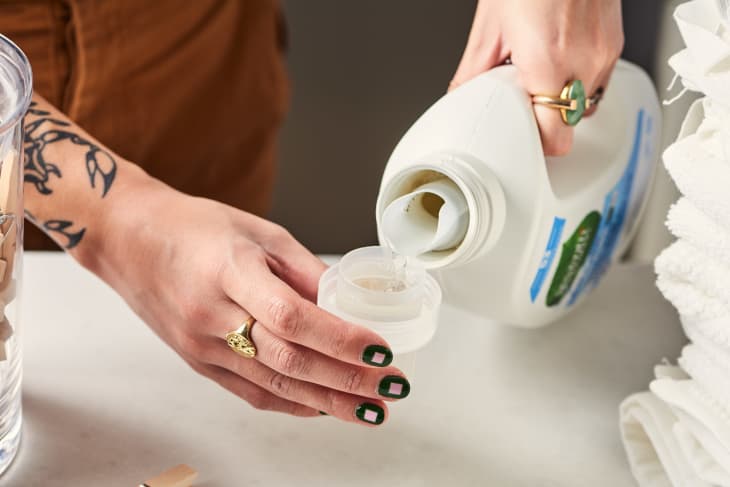
Believe it or not, the products you use to clean your sheets and clothes might be causing irritation or breakouts—especially if they contain strong fragrances, dyes, or harsh chemicals. Residual detergent left on fabric can come into contact with your face while you sleep, causing subtle but persistent inflammation.
For people with sensitive or acne-prone skin, this kind of low-grade irritation can be the tipping point. You might not even realize what’s causing the issue until you switch to a fragrance-free, hypoallergenic detergent and see your skin suddenly clear up.
Also, skip the fabric softener, which can coat your fabrics with a waxy layer that clogs pores.
Stress: The Silent Skin Disruptor

You can’t always see it or touch it, but stress is one of the biggest contributors to skin chaos. It spikes your cortisol levels, which in turn ramps up oil production and inflammation—two of the main ingredients for breakouts.
You might notice that during high-pressure times—exams, deadlines, arguments—your skin suddenly rebels. That’s no coincidence. Stress doesn’t just affect your mind; it leaves a visible trail across your face.
Managing stress is easier said than done, but even adding 10 minutes of mindfulness, journaling, or a walk outside can help balance your nervous system—and your skin.
Over-Cleansing and Stripping Your Skin
It’s easy to assume that more cleansing equals better skin, especially when you’re breaking out. But sometimes the real problem is that you’re cleansing too often or using products that are too harsh. Over-cleansing strips the skin of its natural oils, damaging the protective barrier and triggering more oil production to compensate.
This creates a vicious cycle where your skin becomes both dry and oily—aka dehydrated skin, which is a prime condition for breakouts, flaking, and irritation.
Stick to cleansing no more than twice a day, and opt for gentle, pH-balanced cleansers that support your skin’s barrier rather than attacking it.
Skipping Moisturizer Because You’re Oily? Think Again.
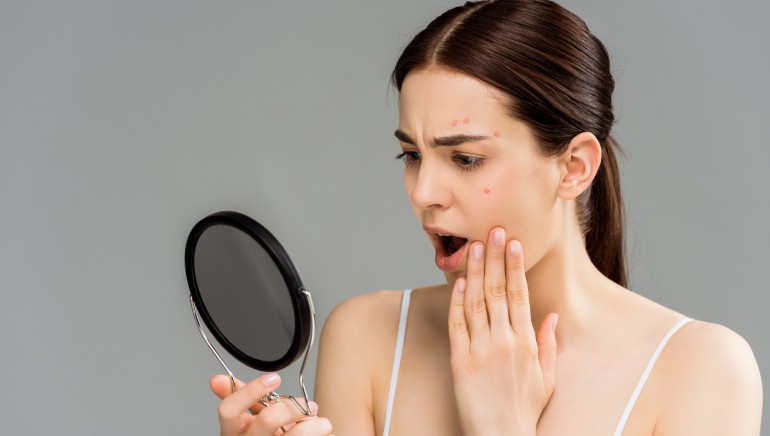
One of the most common skincare myths is that oily skin doesn’t need moisturizer. In reality, skipping moisturizer forces your skin to overcompensate by producing even more oil—which leads to clogged pores and breakouts.
Even oily and acne-prone skin types need hydration, just with the right type of moisturizer. Look for gel-based or water-based formulas with ingredients like hyaluronic acid, niacinamide, or ceramides to help balance oil and support a healthy skin barrier.
Table of Contents
FAQs: Weird Beauty Curveballs, Answered
Can changing my pillowcase really clear up acne?
Yes, especially if your breakouts are concentrated on one side of your face. Regularly switching to a clean, breathable pillowcase—preferably silk or satin—can significantly reduce bacterial buildup and irritation.
What’s the best way to clean makeup brushes?
Use a gentle baby shampoo or brush cleanser. Rinse thoroughly and let them air-dry upside down to prevent water from damaging the brush base. Aim for weekly cleaning if you wear makeup regularly.
Is it okay to use the same towel every day to dry my face?
No. Reusing face towels allows bacteria to linger and multiply. Always use a clean towel or a disposable paper towel to avoid transferring germs to your freshly washed skin.
Could stress alone cause acne?
Absolutely. Stress affects hormones like cortisol, which influence oil production and inflammation—two major acne triggers. If you’re breaking out during emotionally intense periods, stress could be the root cause.
How often should I clean my phone?
Ideally, once a day. Wipe it down with a microfiber cloth and a gentle disinfectant or phone-safe cleaner. Avoid using harsh sprays directly on the screen.
Final Thoughts: Small Shifts, Big Skin Wins
When it comes to skincare, we often focus on products and forget about the environment, habits, and small lifestyle choices that interact with our skin every single day. Your pillowcase, towels, hair products, and even your phone can all have a silent but powerful impact on your complexion.
The good news? Most of these curveballs are easy to fix with a few tweaks. Swap your pillowcase more often. Clean your phone. Treat your towels and brushes like skincare tools. And give your skin a little grace in the process—it’s doing the best it can.
Sometimes, the glow-up doesn’t come from a new product—it comes from the little things you never thought mattered.