
How To Choose The Best Yarn and Colours For Your Ladies’ Jumper
The Ultimate Guide to Picking the Perfect Yarn & Palette for a Stunning Knitwear Piece
If you’re planning to knit a ladies’ jumper—whether it’s your first or your fiftieth—choosing the right yarn and colours is one of the most important (and fun!) parts of the entire project. The yarn you pick affects everything: the look, the feel, the durability, the warmth, and the final drape of the jumper. And let’s be honest—the colour can make or break the overall vibe.
With so many yarn types, textures, weights, and shades available, it’s easy to feel overwhelmed. But don’t worry. Whether you’re knitting for yourself or gifting someone special, this guide will walk you through how to select the best yarn and colours for a jumper that looks amazing and feels even better.
Let’s face it: even the most beautifully designed pattern can fall flat if the yarn isn’t right. A stitch-perfect jumper can feel stiff, saggy, itchy, or off-balance if the fiber doesn’t suit the design—or your lifestyle. On the flip side, choosing the right yarn transforms your project into something truly special: soft, flattering, wearable, and uniquely you.
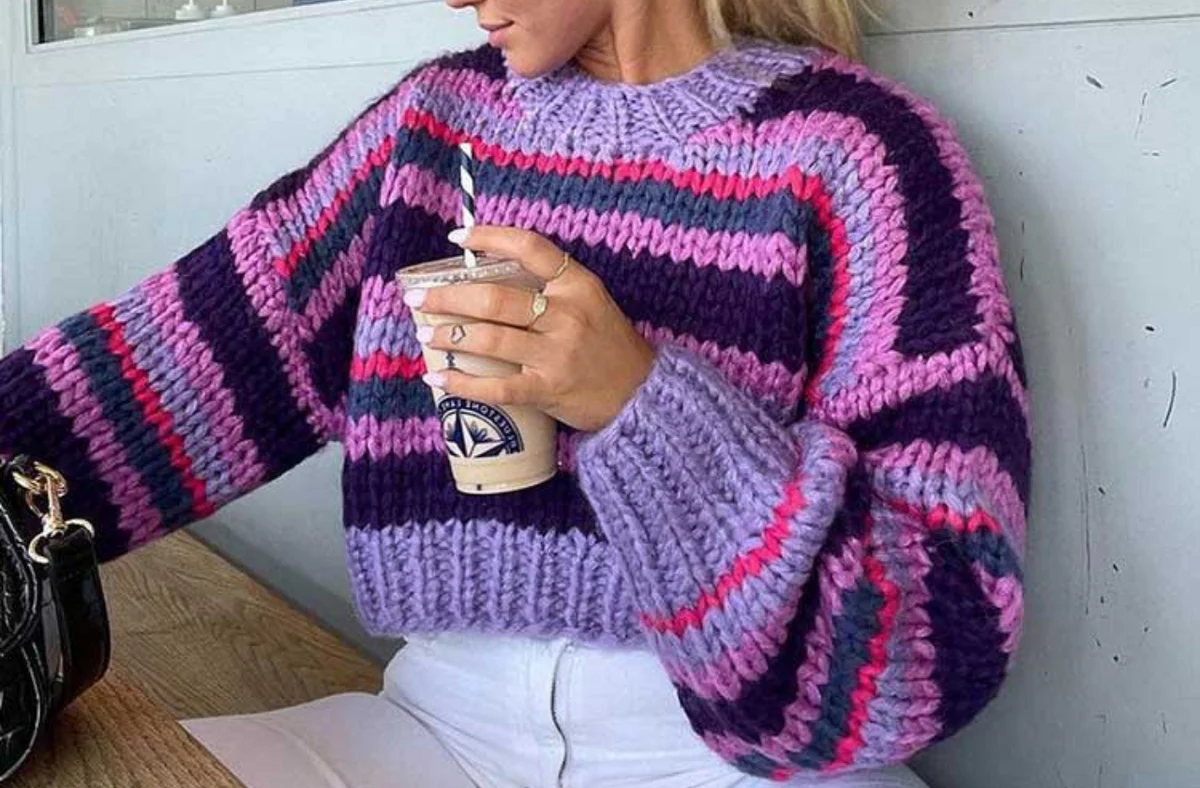
And colour? That’s the emotional heart of your piece. The shades you pick will set the tone. Want something elegant and timeless? Try deep navy or charcoal grey. Prefer soft, romantic vibes? Think dusty rose or creamy beige. Going bold and creative? A pop of mustard, emerald, or even speckled hand-dyed yarn can make your jumper stand out in all the right ways.
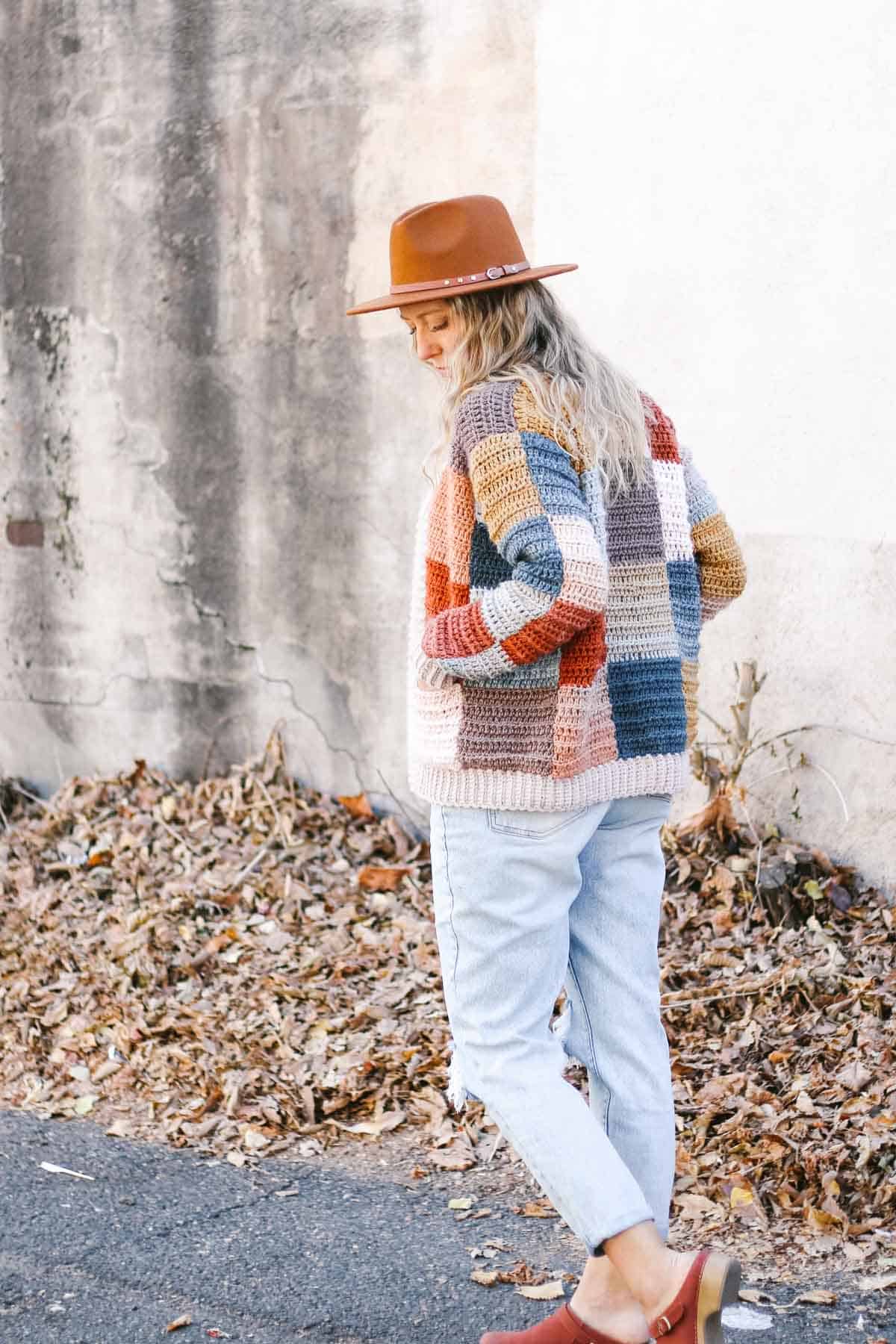
With so many types of yarns—natural, synthetic, blended—plus different weights, textures, and colour palettes to choose from, it’s totally normal to feel overwhelmed. There’s DK, worsted, fingering, chunky, alpaca blends, cotton slubs, self-striping yarns, hand-painted skeins—the list goes on.
But here’s the good news: you don’t have to figure it all out alone. Whether you’re making a snug winter jumper for yourself, a lightweight sweater for spring layering, or a thoughtful handmade gift for someone you love, this guide will walk you through every key decision—step by step.
We’ll talk fibers and their pros and cons, help you understand yarn weights, and guide you through choosing the perfect colour palette based on skin tone, style preferences, and season. You’ll also get expert tips on texture, budget, swatching, and care—so that by the time you’re ready to cast on, you’ll feel 100% confident in your yarn choices.
Think of this as your roadmap to jumper success—because when the yarn is right, everything else falls beautifully into place.
So grab a cup of tea, snuggle into your coziest spot, and let’s dive into the wonderfully tactile, colourful, and creative world of yarn and jumper planning. You’re about to make something amazing.
Why Yarn Selection Matters (A Lot More Than You Think)
Yarn isn’t just yarn. It affects:
- The overall fit and stretch of the jumper
- How warm and breathable the piece will be
- The look and texture of your stitches
- How easy it is to care for and wash
- How long the jumper will last and hold its shape
By investing time in choosing the right fiber and weight, you’re setting yourself up for success. You want a jumper that not only looks good the first time you wear it but continues to feel comfortable and hold its shape wear after wear.
Step 1: Understand Different Types of Yarn Fibers

Start by considering the fiber content of your yarn. This determines how the finished garment will behave.
1. Natural Fibers
These are breathable, soft, and ideal for wearable garments.
- Wool: Warm, elastic, and perfect for jumpers. Try Merino for softness or Shetland for structure.
- Cotton: Breathable and great for warmer climates, but it has less stretch.
- Alpaca: Soft, luxurious, warmer than wool, but less elastic—watch your gauge.
- Silk: Adds sheen and drape, often blended with other fibers.
- Linen: Lightweight and strong, ideal for summer knits.
2. Synthetic Fibers
Durable, often budget-friendly, and easier to wash.
- Acrylic: Affordable and machine washable, though less breathable.
- Nylon: Often blended for added strength and elasticity.
- Polyester: Lightweight and strong but not very breathable.
3. Blended Yarns
The best of both worlds—mixing durability, comfort, and softness.
- Wool/acrylic blend: Cozy, warm, and easier to care for than 100% wool.
- Cotton/bamboo: Soft, breathable, and perfect for spring/summer jumpers.
- Alpaca/silk: Silky smooth with a lovely drape—perfect for luxe pieces.
Step 2: Choose the Right Yarn Weight
Yarn weight affects how thick or fine your stitches look and how heavy the jumper will be. Here’s how to choose based on the style and season:
- Lace or Fingering Weight: Best for delicate, lightweight jumpers or layering pieces.
- Sport Weight: Great for more fitted, breathable jumpers with moderate warmth.
- DK (Double Knitting): A versatile middle-ground—light enough for comfort, thick enough for warmth.
- Worsted/Aran: Cozy and classic. Ideal for chunkier winter jumpers.
- Bulky/Chunky: Warm and quick to knit, but may add volume to the figure.
- Super Bulky: Super warm and fast to work with, great for oversized styles.
Tip: Always check your pattern’s recommended yarn weight—and swatch!
Step 3: Pick Colours That Flatter and Inspire

Colour is one of the most personal parts of the jumper—and the most fun. But instead of going with whatever looks pretty in the skein, think practically and intentionally.
Here’s how to choose the right colour:
1. Consider Skin Tone and Undertones:
- Cool undertones = Jewel tones (blues, purples, emeralds)
- Warm undertones = Earthy tones (mustard, rust, olive)
- Neutral undertones = You’ve got options—play around!
2. Think Seasonally:
- Light pastels and soft neutrals are perfect for spring/summer.
- Deep tones, rich hues, and jewel shades suit fall and winter.
3. Match Your Wardrobe:
- Choose colours you already wear often for easy layering.
- Want a statement jumper? Go bold—but make sure you’ll wear it.
4. Consider the Yarn’s Colour Style:
- Solid shades: Timeless and easy to style
- Heathered yarns: A soft blended look—great for texture
- Speckled/multicolour: Adds visual interest but can overwhelm complex stitch patterns
- Gradient/ombre: Beautiful for simple shapes and seamless fades
Step 4: Texture & Feel—Don’t Skip the Touch Test
Your jumper will be touching your skin all day, so the texture is everything.
Ask yourself:
- Is it soft enough to wear without a shirt underneath?
- Will it itch? (Especially important for sensitive skin!)
- Does it drape the way I want—structured or flowy?
- Will it stretch too much over time?
Tip: Rub the yarn against your neck or inner wrist to test comfort. If it feels scratchy, skip it—especially for close-fitting jumpers.
Step 5: Know What You Want From Your Jumper

Are you aiming for cozy and oversized? Sleek and fitted? A layering piece or a standalone statement?
Match yarn characteristics with the end goal:
- Oversized and slouchy: Try chunky wool or alpaca blends
- Fitted and sleek: Go for Merino, cotton blends, or sport weight
- Light and airy: Use linen, bamboo, or fingering-weight wool
- Bold and cozy: Try textured yarns or variegated shades for extra dimension
Step 6: Always Swatch First
Yes, we know—it’s tempting to skip. But swatching can save you from a major fit disaster later.
A swatch helps you:
- Check your gauge and adjust needles accordingly
- See how the yarn behaves (stretch, shrinkage, drape)
- Observe how colours and textures look in real stitches
- Determine if the stitch pattern pops or gets lost
Make sure to wash and block your swatch exactly how you’ll treat the final piece. Some yarns grow or change texture after washing.
Step 7: Consider Yarn Quantity & Budget
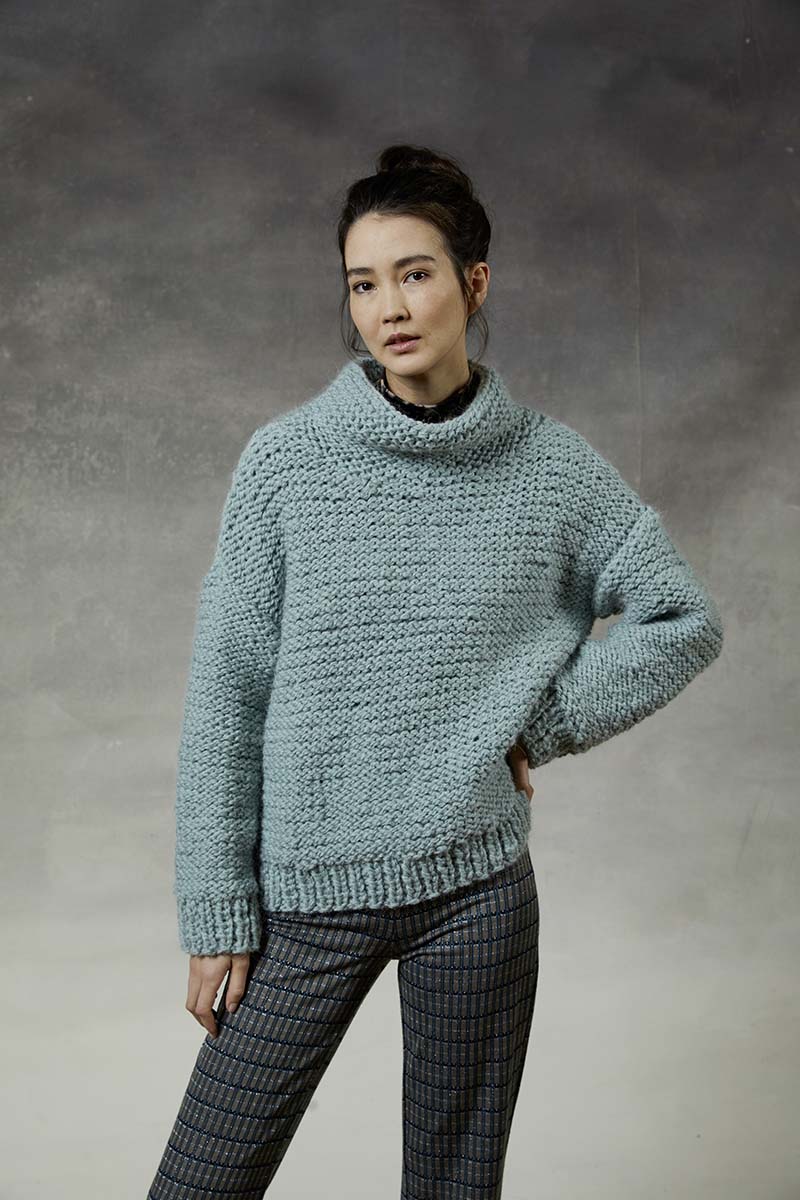
Make sure you calculate how much yarn you’ll need before falling in love with a specific type or colour.
- Check the pattern’s yardage requirement for your size.
- Buy a bit extra—especially for hand-dyed or limited-edition yarns.
- Yarn dye lots can vary, so it’s best to buy it all at once.
If you’re on a budget:
- Explore yarn alternatives or blends.
- Consider using a more affordable yarn for the body and something premium for trims or collar details.
- Shop sales or check local yarn swaps.
Bonus Tips: Avoid Common Yarn Mistakes
- Don’t assume all wool is itchy. Some types (like Merino) are incredibly soft.
- Avoid novelty yarns unless you’re confident—they can be hard to frog or block.
- Stick to pattern recommendations when in doubt—it makes life easier.
- Don’t rely on labels alone. Always read reviews or look up real-life project photos for that yarn.
FAQs: Choosing Yarn and Colours for a Ladies’ Jumper
Q: What’s the best yarn for beginners?
A: Stick with DK or worsted weight. Wool blends are forgiving and show stitches clearly.
Q: Can I substitute a yarn that’s not in the pattern?
A: Yes, but make sure the weight, fiber type, and gauge match—or adjust accordingly.
Q: How do I pick colours that won’t go out of style?
A: Neutrals like grey, navy, cream, and taupe are always chic. Earth tones and pastels are also timeless.
Q: Is it okay to mix yarn types in one jumper?
A: It can work—just make sure the care instructions, weights, and drapes are compatible.
Q: What yarns are best for sensitive skin?
A: Try bamboo, silk blends, or superwash Merino. Avoid coarse wools and synthetic blends that can irritate.
Q: I want to knit a jumper for summer—what yarn should I choose?
A: Linen, cotton, bamboo, or light cotton blends are breathable and perfect for warmer weather.
Final Thoughts: Make Your Jumper as Unique as You Are
Choosing the right yarn and colours for your jumper isn’t just a technical step—it’s part of the creative magic. This is your chance to blend functionality with personal style. Your yarn choice impacts how the final piece looks, feels, fits, and lasts.
By understanding fiber types, choosing yarn weight carefully, and picking a colour palette that complements your wardrobe and your complexion, you’re setting the foundation for a truly beautiful piece. A jumper made with intention is not just clothing—it’s a story, a memory, and a piece of art.
So take your time, enjoy the process, and don’t be afraid to trust your gut. After all, no one knows your style better than you.