

How To Make Lip Gloss: 15 Easy DIY Recipes You Need To Try
Crafting your own lip gloss at home can be a deeply satisfying experience—imagine customizing your shine, scent, color, and ingredients exactly to your preferences. Whether you prefer a subtle shimmer, fruity aroma, or high-gloss finish, making lip gloss from scratch lets you control every element. It’s perfect for personal use, thoughtful gifts, or even small-scale local selling. Plus, DIY lip gloss gives you the peace of mind of knowing exactly what’s in your beauty routine.
Think about it: how often do you find a store-bought lip gloss that checks all your boxes? Maybe the color is perfect, but the scent is overwhelming. Or it smells divine but feels sticky and heavy. Or worse, you glance at the label and see a laundry list of chemical ingredients you can’t even pronounce. Making your own lip gloss from scratch solves all of these issues—and then some.
Creating DIY lip gloss allows you to personalize every single detail to match your exact preferences. Want a subtle nude tint with a peppermint aroma? You got it. Craving a tropical-inspired gloss that smells like coconut and mango? No problem. Prefer a vegan formula or an ultra-moisturizing balm for dry lips? You can absolutely make that happen. When you’re the formulator, the control is all yours.
But DIY lip gloss isn’t just about aesthetics—it’s also about conscious self-care. By crafting your own gloss, you’re eliminating unnecessary chemicals and preservatives and replacing them with nourishing, skin-loving ingredients like coconut oil, shea butter, cocoa butter, vitamin E, and beeswax. These natural components not only give your lips a beautiful shine, but they also provide deep hydration and protection. So you’re not just looking good—you’re doing good for your skin, too.
What’s even more exciting is the versatility of homemade gloss. It can be as simple or as fancy as you want. Stick to basic formulas for your own personal use, or turn it into a fun group activity with friends—think sleepovers, birthday parties, or bridal showers. Customize the colors, add glitter, experiment with fruity or floral essential oils, and create a range of glosses that are uniquely yours. You can even label them with cute names and packaging for a homemade gift that feels ultra-thoughtful and luxurious.

And if you’re feeling especially entrepreneurial? Homemade lip gloss is an excellent product to start selling locally or online. It’s cost-effective to make, easy to scale, and endlessly customizable for different audiences—whether you’re catering to natural beauty lovers, kids, bridesmaids, or lip gloss addicts who just can’t get enough shimmer.
Whether you’re looking for a new hobby, want to simplify your beauty routine, or are just in the mood to get crafty, learning how to make lip gloss is a small but rewarding step toward a more personalized, intentional lifestyle. It brings together creativity, wellness, and self-expression in a way that’s as fun as it is fulfilling.
So if you’re ready to create a beauty product that’s tailored to your taste, kind to your skin, and infused with a little bit of homemade magic, keep reading. We’re diving into everything you need to know to get started—from the best ingredients and tools to 15 easy DIY recipes you can try today.
Basic Ingredients You’ll Need
To begin, you’ll want to gather basic supplies that form the foundation of virtually every recipe. Petroleum jelly or beeswax provides your base; carrier oils like coconut, sweet almond, or jojoba offer hydration; and shea butter or cocoa butter adds slip and creaminess. You’ll also need pigment sources—like mica powder, crushed lipstick, or natural colorants—as well as optional extras such as essential oils, flavor oils, vitamin E, and a dash of shimmer.
Essential Tools for DIY Gloss Making
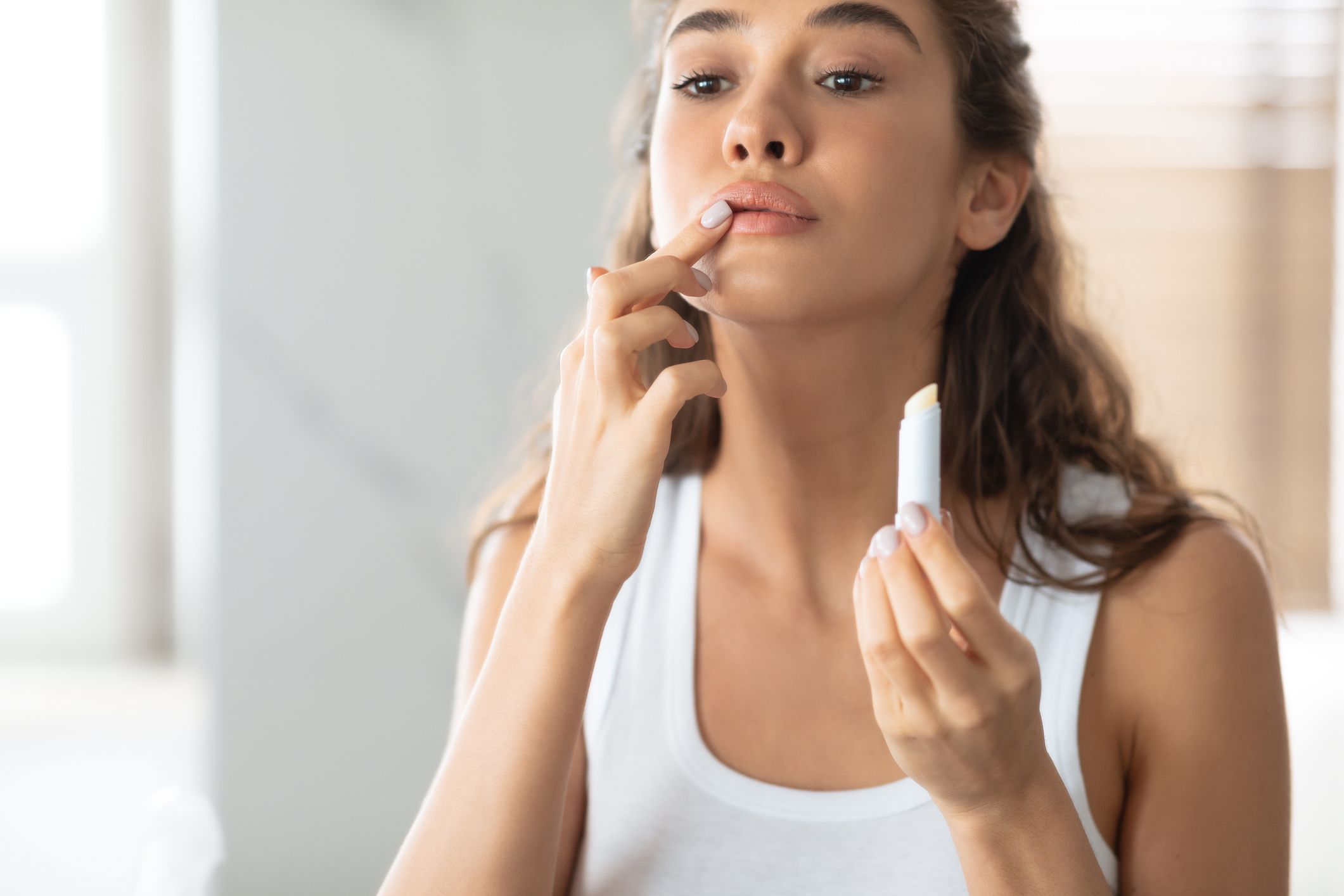
For safety and convenience, use small glass or metal containers that seal well to keep your gloss fresh. A double boiler or microwave-safe bowl, food-safe stirrers, droppers, and pipettes also make the process cleaner and more efficient. Keeping everything sanitized ensures the gloss remains safe and long-lasting.
Starter Recipe: The Classic Clear Gloss
The simplest gloss involves gently melting a mix of base ingredients—say beeswax and coconut oil—then stirring in seedless honey or a flavor oil before pouring into containers. That’s a perfect starter approach and makes a clear gloss that you can tweak any direction: sweeter, tinted, sparkly, or flavored.
Coloring and Customizing Your Gloss

Try adding a hint of crushed lipstick or cosmetic-grade colored powders to a clear blend for soft, wearable hues. Infuse oils with botanicals like rose petals or calendula before adding them to your gloss to create natural softness and aroma. Tiny amounts of cosmetic glitter or fine mica can add fairy-tale sparkle without overwhelming the overall finish.
Creamier Gloss Options and Balm Hybrids
For a creamier, balm-like lip gloss, increase the butter-to-wax ratio, or add a small amount of castor oil. Castor oil lends shine and a fuller texture, though too much can thin it out. Experiment with aloe gel for extra hydration, or blend in a bit of hyaluronic acid powder for plumping effects.
Safe, Natural Scent and Flavor Additions
Skip synthetic fragrances in favor of essential oils like peppermint, lavender, or citrus. You can also add vitamin E for preservation, or a drop of oil-soluble antioxidant like CoQ10 to extend shelf life. Ingredients can be chosen based on skin sensitivities, seasonal needs, or aesthetic goals.
Infused Oil Glosses for a Spa Vibe
Simmer herbs and flowers in your oils before straining them—lavender, chamomile, or rosemary infusions work beautifully. Add in a touch of mica for muted sheen or darker pigments for mellow reds and berries. Add non-nano titanium dioxide for SPF (though this may alter opacity).
Lip Stain + Gloss Combos

For lip-liner gloss hybrids, build up customized sheers with defined tones. Use natural beetroot powder, hibiscus tea, rose clay, or spirulina for gentle tints. These glosses double as subtle lip stains with clean beauty vibes.
Advanced Gloss Techniques
Try layered pots by pouring multiple tinted glosses in stages. Use different essential oils in each layer for evolving aromas. Swirl colors for a marbled look, or add a pop of shimmer to only one layer for dynamic effects.
Hygiene and Storage Tips
Use clean tools, pour quickly after mixing, and label each batch with ingredients and date. Store in a cool, dry place. Most glosses last three to six months. For water-based recipes, consider natural preservatives like Leucidal Liquid or Geogard Ultra.
Creative Packaging Ideas for Gifts or Sales
Chic glass jars or tubes are great for gifting or selling. Create themed sets like “Tropical Breeze” or “Berry Bloom,” and include small tags or printed ingredients lists for a professional touch.
Note-Taking and Personalizing Your Recipes
Keep a beauty journal to document what works best for you. Log ingredient ratios, how your lips respond, and what colors pop most on your skin tone. Over time, you’ll build your signature blend.
Finding Inspiration and Community
Browse online tutorials and social media DIY beauty creators to learn new techniques. Many share what worked, what didn’t, and tips on fixing common problems. It’s a great way to stay inspired and informed.
Fifteen DIY Lip Gloss Recipes to Try
Classic clear gloss: Melt petroleum jelly and coconut oil, stir in vitamin E and a flavor oil, pour into pots.
Minty balm gloss: Beeswax, shea butter, jojoba oil, peppermint oil, and blue-white mica for shimmer.
Strawberry tint gloss: Beeswax, sweet almond oil, and freeze-dried strawberry powder for natural pink.
Spiced plumping gloss: Cinnamon and sweet almond oil in a beeswax base, with a drop of chili extract.
Shea butter shimmer gloss: Shea and coconut oil with rose-gold mica and a drop of argan oil.
Peach sorbet gloss: Mango butter, jojoba oil, peach flavor, and orange-red mica.
Lavender honey gloss: Coconut oil, beeswax, honey, and lavender essential oil.
Citrus burst gloss: Shea butter, almond oil, lemon flavor oil, and citrus-colored pigment.
Vanilla chai gloss: Cocoa butter and shea butter with vanilla and cinnamon oils.
Beauty balm gloss: Beeswax, cocoa butter, and marshmallow root-infused oil.
Glossed rose tint: Rose clay, beeswax, and shea butter for a soft pink with light floral scent.
Cool blue gloss: Petroleum jelly and almond oil, blue tint from ultramarine, with eucalyptus oil.
Coconut cream gloss: Coconut oil and fractionated coconut oil for a tropical clear gloss.
Rose gold ombré gloss: Two-tone pour using pink and bronze micas in layered beeswax blend.
Aloe hydration gloss: Aloe gel, beeswax, jojoba oil, and vitamin E with optional preservative.
FAQs
Are DIY lip glosses safe to use?
Yes, if you use cosmetic-grade ingredients and keep everything clean. Always perform a patch test for sensitive skin.
How long do homemade glosses last?
Most oil-based glosses last 3-6 months. Use preservatives for water or aloe-infused blends.
Can I make rich, bold colors at home?
Yes, but start slow. Too much pigment can clump or stain. Mica and crushed lipstick work well.
What’s the best container type?
Tubes are best for hygiene and portability. Small glass pots look elegant and are reusable.
Can I sell my lip glosses?
For gifts, absolutely. For sales, check local laws, label all ingredients, and follow cosmetic safety standards.
Conclusion: Your Gloss, Your Way
Making lip gloss at home offers unmatched creative freedom, ingredient control, and the satisfaction of designing something personal and beautiful. Whether you like a sheer glass shine or a scented balm hybrid, these fifteen recipes offer a wonderful playground for experimentation—and the results are glossy, nourishing, and uniquely yours.