
Is Your Skin Trying to Tell You Something? The Link Between Skin Health and Your Lymphatic System
Your skin is more than just a protective outer layer—it’s a reflection of your inner health. When something is off internally, your skin is often the first to show signs. Breakouts, puffiness, dullness, and persistent skin issues may not always stem from what you’re putting on your face, but rather from what’s happening inside your body. One of the most overlooked systems influencing skin health is your lymphatic system—a quiet yet powerful network that plays a critical role in detoxification, immunity, and cellular health.
While we often hear about gut health and hormones in the skincare world, the lymphatic system rarely gets the attention it deserves. Yet, this system can hold the key to unlocking radiant, clear, and youthful-looking skin. If you’ve been dealing with skin concerns that don’t respond to topical treatments, your lymphatic health may be the missing link.
Let’s dive deep into the fascinating connection between your skin and your lymphatic system—how it works, the signs it might be sluggish, and what you can do to support both your inner wellness and outer glow.
Often, when we struggle with skin that doesn’t respond to our usual routines, we rush to swap out moisturizers, upgrade our serums, or invest in new treatments. But topical solutions can only go so far when the real issue stems from within. That’s why understanding the body’s internal systems—especially the lymphatic system—can be a game-changer in how we approach skincare.
The lymphatic system is one of the body’s most vital yet underappreciated networks. Quiet, subtle, and working 24/7 behind the scenes, it plays a major role in immune function, detoxification, fluid balance, and cellular repair. It’s responsible for filtering out waste, bacteria, and toxins from the bloodstream and tissues, transporting white blood cells, and supporting overall healing processes. Despite its importance, it’s often overshadowed by more commonly discussed systems like the digestive or endocrine systems when it comes to skin health.

Yet, more and more research—and anecdotal evidence from holistic skincare experts—is pointing to the profound influence the lymphatic system has on the skin’s appearance, texture, and resilience. When your lymphatic system is functioning optimally, it helps your skin stay clear, vibrant, and refreshed. But when it becomes stagnant or overloaded, the signs tend to show up fast and obviously—through bloating, puffiness, breakouts, inflammation, and a generally “off” look that no amount of foundation can fully cover.
So if your skin has been sending you signals—looking tired, feeling sluggish, or flaring up without a clear cause—it might be time to listen more closely. It’s not just about changing what you put on your skin. It’s about tuning into what’s going on inside—and more specifically, asking yourself whether your lymphatic system might be asking for help. By learning to support this often-ignored internal system, you can unlock a powerful pathway to lasting skin health and a natural, lit-from-within glow.
Understanding the Lymphatic System: Your Body’s Inner Drainage Network
Think of your lymphatic system as your body’s internal clean-up crew. It’s a vast network of vessels, lymph nodes, and organs (like the spleen and thymus) that moves lymph fluid throughout the body. This fluid contains white blood cells, waste products, toxins, and excess fluids that need to be filtered and eliminated. The lymphatic system helps fight infection, remove metabolic waste, and keep the body’s fluids balanced.
Unlike your circulatory system, which has the heart as a pump, your lymphatic system relies on movement—like breathing, muscle contraction, and gentle massage—to flow. That means if you’re sedentary, stressed, dehydrated, or exposed to too many toxins, your lymphatic system can become sluggish. And when that happens, the effects often show up in your skin.
How a Sluggish Lymphatic System Affects Your Skin
:max_bytes(150000):strip_icc()/GettyImages-562434179-e2a2a92c78874479a49db082db27e60c.jpg)
When your lymphatic system isn’t working efficiently, waste products, toxins, and fluid can accumulate in the tissues—especially in the face. This can result in a variety of skin concerns, including:
- Puffiness and facial swelling
- Dull, congested skin
- Under-eye bags and dark circles
- Acne, especially cystic or hormonal breakouts
- Skin sensitivity or inflammation
- Uneven tone or persistent redness
Your skin is a detox organ, meaning it plays a role in eliminating toxins—just like the liver, kidneys, and colon. When those other systems are overwhelmed or your lymphatic drainage is compromised, your skin steps in to help eliminate waste. The result? Breakouts, flare-ups, and chronic conditions that seem unresponsive to skincare products.
Lymph and Skin: The Detox Connection
The lymphatic system and the skin are deeply interconnected. In fact, about 70% of your lymph vessels are located just under the skin’s surface. When your lymph system is functioning well, it clears away cellular waste and brings in fresh nutrients—keeping skin clear, oxygenated, and glowing.
However, if your lymph becomes stagnant, toxins build up under the skin, leading to inflammation and congestion. This stagnation also reduces the delivery of oxygen and nutrients to skin cells, making your complexion look tired or dull. Over time, poor lymph flow can contribute to premature aging, chronic puffiness, or conditions like eczema and rosacea.
Supporting your lymphatic system is one of the most powerful things you can do for your skin—not just to treat existing concerns, but to promote long-term skin health and resilience.
Signs Your Skin Might Be Asking for Lymphatic Support
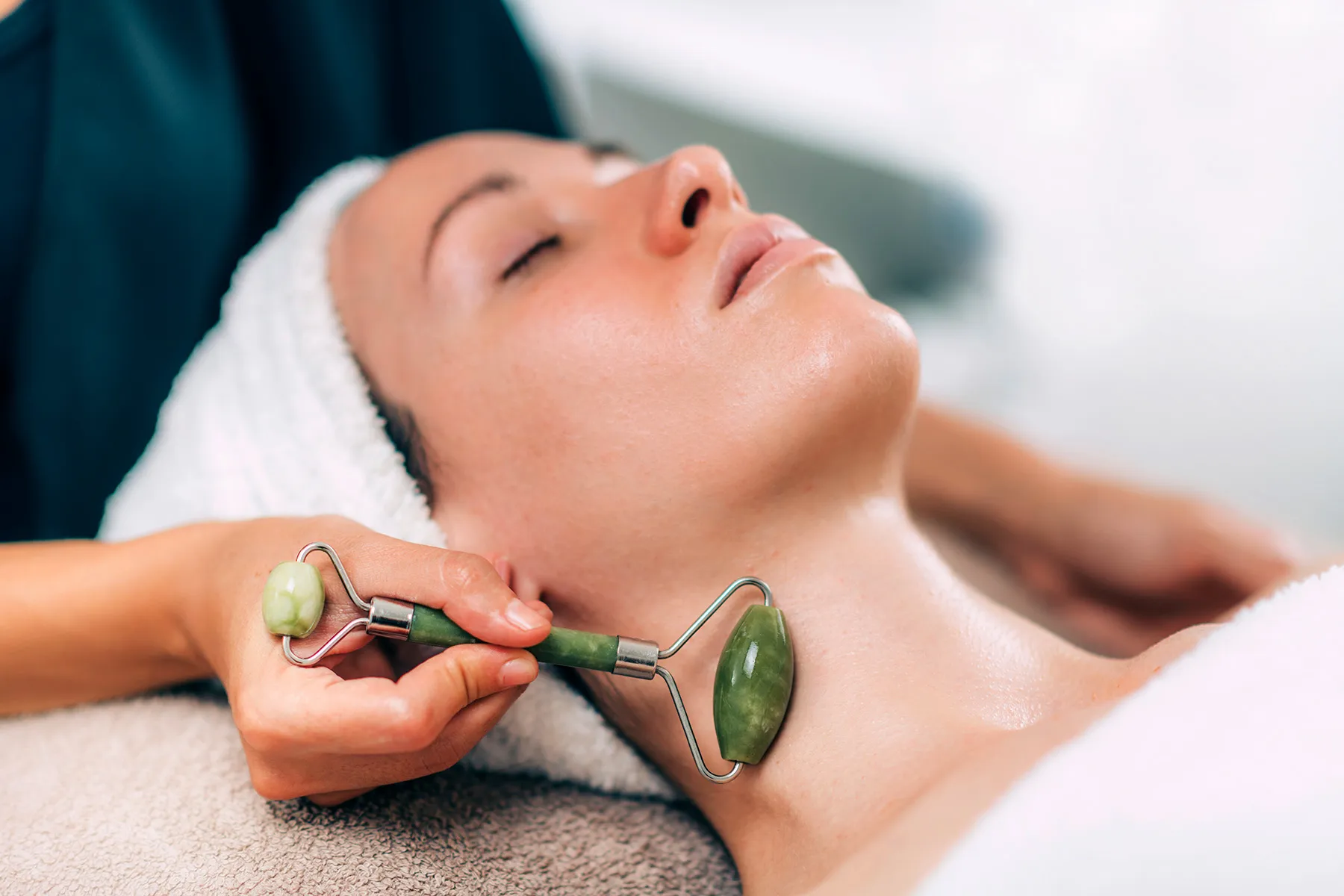
Your body is incredibly intuitive—and when something’s off, it often tells you through physical signs. Here are some common skin-related symptoms that could be linked to poor lymphatic function:
- Persistent puffiness, especially around the eyes or jawline
- Slow-healing acne or recurring cystic breakouts
- Dry, flaky patches that don’t respond to moisturizers
- Chronic redness or reactive, irritated skin
- Dull or grayish complexion, even when well-rested
- Swollen lymph nodes in the neck, armpits, or behind the ears
- Skin that feels heavy or bloated, particularly after eating poorly or being inactive
If you’ve been trying every cream, serum, and facial treatment under the sun with limited results, these signs may be your body’s way of asking you to turn your attention inward—and specifically, toward your lymphatic health.
How to Support a Healthy Lymphatic System for Better Skin
The good news? You can absolutely support your lymphatic system naturally and see visible improvements in your skin. The key is to promote movement, hydration, and detoxification—without overwhelming your body in the process. Here’s how:
Hydrate More Than You Think You Need
Lymph fluid is mostly water, so staying hydrated is the simplest and most effective way to keep it flowing. Aim to sip water consistently throughout the day rather than gulping large amounts at once. Herbal teas, lemon water, and coconut water can also help hydrate and support gentle detoxification.
Practice Daily Movement
Your lymphatic system doesn’t have a built-in pump, so it relies on your body’s movement to circulate fluid. Walking, yoga, stretching, and rebounding (mini trampoline workouts) are all excellent ways to stimulate lymph flow. Even just five minutes of light movement each hour can make a noticeable difference.
Facial Lymphatic Drainage Massage
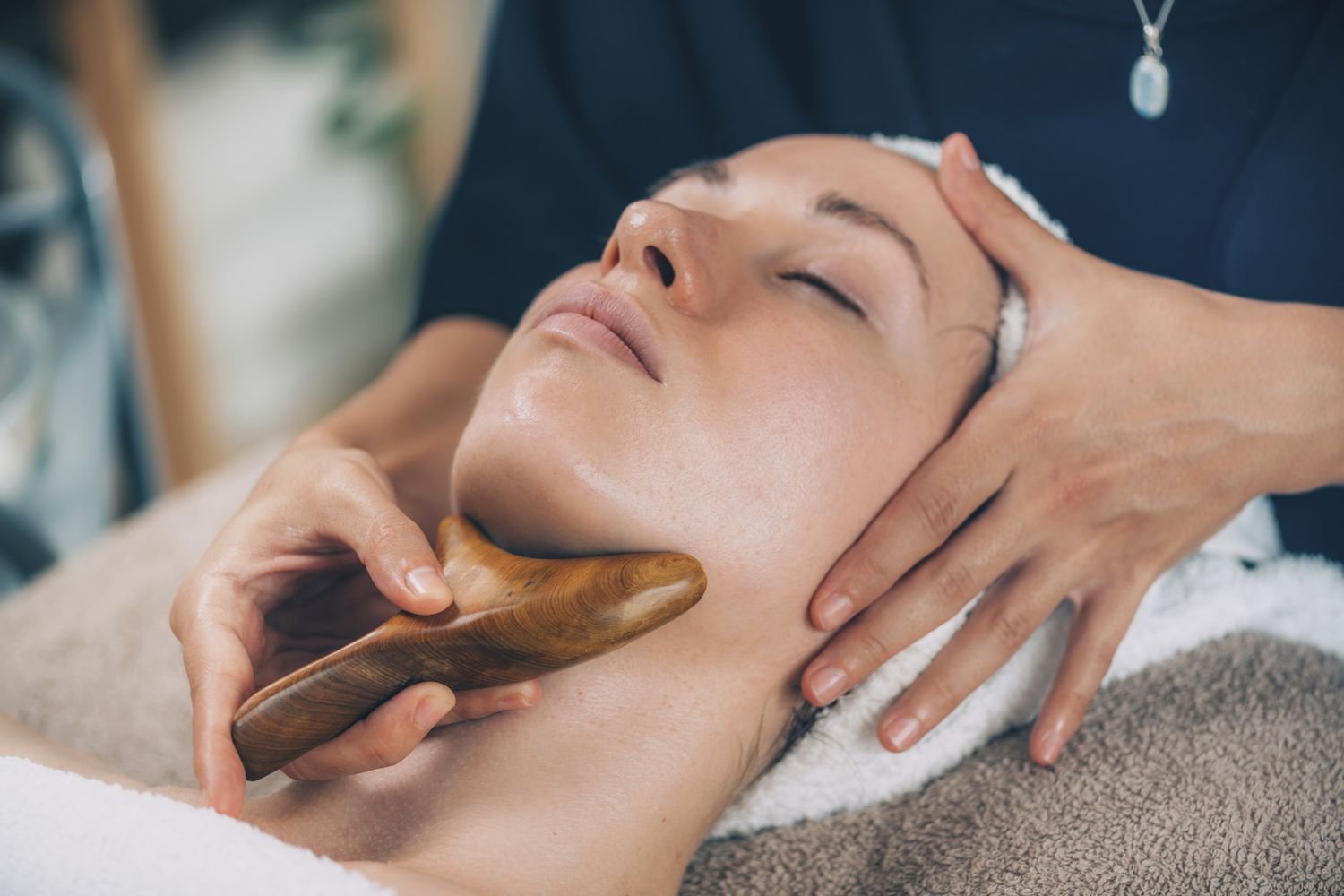
This gentle massage technique encourages lymphatic movement just beneath the skin and can help reduce puffiness, clear congestion, and brighten your complexion. Use your fingers or a gua sha tool to massage from the center of the face outward and downward toward the lymph nodes in your neck.
Dry Brushing for Full-Body Flow
Dry brushing is a popular wellness ritual that uses a natural-bristle brush on dry skin to stimulate lymphatic drainage, exfoliate dead skin, and boost circulation. Always brush in upward strokes toward your heart, and follow with a warm shower to rinse away loosened toxins.
Eat for Lymphatic Health
Certain foods support lymph flow and skin detox naturally. Focus on high-antioxidant, anti-inflammatory options like leafy greens, citrus fruits, berries, turmeric, ginger, beets, and cruciferous vegetables. Avoid processed foods, excessive dairy, and refined sugar, which can contribute to stagnation and inflammation.
Deep Breathing and Stress Reduction
Breathing deeply from the diaphragm helps massage the lymphatic system and encourage fluid movement. Combine breathwork with mindfulness or meditation to reduce cortisol levels, which can impair lymph function and trigger skin issues like acne and flare-ups.
Lymphatic Therapies That Can Transform Your Skin

In addition to at-home practices, there are professional therapies designed to boost lymphatic function and rejuvenate the skin from within. Some of the most popular options include:
Manual Lymphatic Drainage (MLD)
This specialized massage technique uses precise, gentle movements to stimulate lymph flow and reduce fluid retention. It’s commonly used after surgery but is equally beneficial for skincare and relaxation. After just one session, many people notice reduced puffiness and a brighter complexion.
Lymphatic Facial Treatments
Offered at many holistic spas and medispas, these facials combine traditional massage, gua sha, and LED therapy to support lymph movement and cellular repair. They’re especially effective for acne-prone or sensitive skin.
Infrared Sauna Therapy
Sweating is a natural detox pathway, and infrared saunas help stimulate lymph flow while encouraging deep tissue detox. They also increase circulation, boost collagen production, and improve skin tone.
Compression Garments and Vibration Plates
Though more commonly used in post-surgical care or athletic recovery, these tools can also aid in lymph stimulation. Vibration plates, in particular, offer quick stimulation for lymph movement in a short session.
Table of Contents
FAQ: The Skin and Lymph Connection
Can improving my lymphatic system really clear up acne?
Yes—if your breakouts are related to toxin buildup or sluggish detox pathways. Supporting your lymphatic system can reduce inflammation, help your body clear waste more efficiently, and improve the clarity of your skin over time.
How often should I do lymphatic drainage massage?
For best results, 2–3 times per week is a great place to start. If you notice benefits like reduced puffiness or more radiant skin, you can make it part of your daily skincare routine.
Is dry brushing safe for sensitive skin?
Dry brushing can be too abrasive for some skin types, especially those with eczema, rosacea, or psoriasis. Always start with a soft-bristle brush and test on a small area first. You can also opt for facial massage instead if full-body brushing is too harsh.
Are lymphatic issues common in modern lifestyles?
Absolutely. Sedentary behavior, poor diets, stress, and lack of hydration all contribute to lymphatic stagnation. That’s why many people unknowingly suffer from symptoms like fatigue, bloating, and skin issues without realizing the cause is internal.
Can lymphatic health help with aging skin?
Yes. When lymph flow is optimal, your skin receives more oxygen and nutrients, and cellular waste is cleared more efficiently. This leads to a more even tone, reduced inflammation, and a healthy glow—helping your skin stay youthful and resilient.
Final Thoughts: Glowing Skin Starts from Within
While creams and serums can certainly help your skin look its best, they can only do so much if the root cause of your issues lies beneath the surface. When your lymphatic system is overloaded or sluggish, your skin often bears the brunt—whether it’s through breakouts, puffiness, or a dull, lackluster complexion.
Supporting your lymphatic health isn’t just good for your skin—it’s essential for your overall well-being. By incorporating small, mindful habits like hydration, gentle movement, facial massage, and nourishing foods, you can activate this vital detox system and unlock your skin’s natural radiance.
So the next time your skin is acting up, don’t just reach for a new product. Ask yourself: Is my body trying to tell me something? Often, the answer lies in listening to what’s happening internally—and giving your lymphatic system the love and support it deserves. Your glow might just depend on it.