

The Future of Beauty and Style Is Getting Smarter – Here’s How
We’re living in a time where the lines between technology, beauty, and fashion are blurring more and more every day. What used to be limited to creams, fabrics, and catwalks is now evolving into smart mirrors, AI-powered skincare, virtual styling assistants, and sustainable textiles developed with scientific precision. The beauty and fashion industries are no longer just about aesthetics—they’re becoming tech-driven ecosystems aimed at personalization, performance, and innovation.
Whether it’s a foundation that adjusts to your skin tone using pigment-matching sensors or a dress that changes shape based on temperature, today’s advancements are pointing to one clear truth: beauty and style are getting smarter. This isn’t just a passing trend—it’s a revolution. And it’s changing the way we shop, the way we dress, and even the way we feel about ourselves.
This convergence is not just a passing phase. It marks a deeper shift in how we view personal style and self-care: not merely as visual aesthetics or vanity, but as customizable, intelligent experiences powered by real-time feedback, biometric insight, and artificial intelligence. Skincare routines are being reimagined with algorithms that analyze your skin’s needs in a matter of seconds. Mirrors now come equipped with augmented reality, offering virtual makeup trials or even tracking your skin’s daily changes. Clothing is being designed with built-in sensors, adapting to temperature or movement, offering both style and substance in a way that’s never been done before.

As we embrace wearable tech, virtual try-ons, smart fabrics, and machine-learning beauty advisors, it’s clear that we are moving toward a future where beauty and style are less about guesswork and more about precision. The goal is no longer to simply look good—but to feel good, perform better, and engage with products and routines that adapt uniquely to our bodies, habits, and even emotions.
The beauty and fashion industries are no longer just about creating trends—they’re building smart ecosystems. These ecosystems are personalized, predictive, and often sustainable. Brands are tapping into everything from big data and artificial intelligence to biotechnology and 3D printing to create solutions that are deeply tailored to each individual. It’s not about fitting into an ideal anymore—it’s about technology helping you amplify and enhance your authentic self.
This is the new standard. Beauty and style are becoming more intelligent, intuitive, and inclusive than ever before—and for the modern consumer, that means more options, better results, and a seamless fusion of creativity and science. The future isn’t coming. It’s already here—and it’s dressed in innovation.
AI-Powered Skincare Is Taking Over
Artificial Intelligence has quietly made its way into our beauty routines—and it’s here to stay. No longer do you have to guess what kind of cleanser or moisturizer suits your skin type. With apps and devices powered by machine learning, skincare recommendations can now be based on detailed skin analysis, climate conditions, and even your menstrual cycle.
Companies are developing tools that scan your face using your smartphone camera, detecting fine lines, dark spots, hydration levels, and other indicators of skin health. These AI programs then curate product regimens tailored to your specific needs. Some brands go a step further by offering customizable formulas, where ingredients are adjusted based on your skin’s real-time data.
This level of personalization was unthinkable a decade ago. Now, it’s becoming the norm. Skincare powered by data isn’t just more efficient—it helps consumers feel more seen and understood. You’re no longer picking a cream off the shelf hoping it works. You’re using a product created for you, by tech that knows you.
Virtual Try-Ons Are Revolutionizing How We Shop

One of the biggest pain points in beauty and fashion has always been the guessing game—Will this foundation match my skin? Will these jeans fit my shape? Will this lipstick look good on me under natural light?
Enter virtual try-on technology.
Using augmented reality (AR), shoppers can now see how products will look on their face or body before ever clicking “add to cart.” Beauty brands like L’Oréal and Sephora have invested heavily in AR technology that lets customers try on makeup virtually through their phones. Meanwhile, fashion retailers are developing digital fitting rooms where avatars based on your exact measurements model clothing in 3D.
This not only helps reduce returns and waste, but it also creates a more confident, empowering shopping experience. No more second-guessing, no more over-ordering. Virtual try-ons allow you to experiment freely—trying bold lipstick shades, edgy hairstyles, or daring cuts—without commitment.
Smart Fabrics and Tech-Infused Clothing Are Going Mainstream
Fashion is no longer just about fabric—it’s about function, too. Smart textiles are becoming more common, and they’re bringing an entirely new level of intelligence to clothing. We’re talking about jackets that heat up when it’s cold, workout wear that tracks your heart rate, and even dresses that react to your mood through embedded sensors.
These innovations aren’t limited to luxury fashion houses either. Athletic wear brands are integrating wearable tech into their collections, combining style with real-time fitness tracking. Some outfits can even analyze posture, adjust compression, or alert wearers to muscle fatigue—perfect for athletes, dancers, or anyone with a desk job.
Beyond performance, these smart fabrics are opening new avenues for self-expression. Imagine a shirt that changes color based on your body temperature or a dress that illuminates when you walk into a room. The future of fashion isn’t just stylish—it’s interactive.
Sustainability Meets Innovation

As the world grows more conscious of environmental impact, the fashion and beauty industries are under increasing pressure to be part of the solution. The smart evolution of beauty and style is responding with innovations designed to reduce waste, pollution, and overconsumption.
In fashion, we’re seeing the rise of biodegradable materials, recycled fabrics, and digital fashion—yes, clothing that exists only in the virtual world, meant for social media posts or gaming avatars. These options offer a carbon-neutral alternative to fast fashion, without sacrificing creativity.
In beauty, refillable packaging, waterless formulations, and biotech ingredients grown in labs are becoming more mainstream. Some companies are using blockchain to track product origins, ensuring transparency from ingredient sourcing to shelf placement. These tech-enhanced efforts help consumers make informed, eco-conscious choices without compromising quality or luxury.
Beauty Devices Are Becoming Smarter—and Smaller
Ten years ago, an at-home facial device might’ve been a glorified vibrating brush. Today, beauty gadgets look more like sci-fi tools—and they work like professional-grade machines. From LED therapy masks to ultrasonic skin scrubbers and microcurrent toning devices, the options are endless.
Even more impressive? Many of these devices are now powered by AI or app connectivity. They track your usage, recommend treatment plans, and adjust settings based on your skin condition or progress. This makes high-end beauty care accessible from the comfort of your bathroom.
The rise of portable, intelligent skincare tools has changed the game for people who want salon-level results at home. It’s more than convenience—it’s about independence and consistency. No appointments. No guesswork. Just smart results.
3D Printing Is Personalizing Products in Real-Time

Imagine walking into a beauty store, having your skin tone scanned, and walking out minutes later with a foundation made just for you—down to the perfect undertone. This is the promise of 3D printing in beauty.
Brands are beginning to experiment with on-demand product creation, using 3D printers to mix personalized lipsticks, highlighters, and skincare. The precision is remarkable, and the experience is like something out of a futuristic movie. The beauty of 3D printing is that it minimizes waste, shortens production time, and gives the consumer exactly what they want—no more, no less.
In fashion, 3D-printed accessories and even garments are being explored by avant-garde designers, offering structural innovations that traditional materials could never achieve. It’s fashion meets architecture—wearable, programmable, and deeply expressive.
AI Stylists and Virtual Fashion Consultants Are the New Norm
Think of them as your ultra-smart best friend who knows your style better than you do. AI-driven style assistants are taking personalization to the next level by analyzing your wardrobe, social media, weather forecasts, and personal preferences to suggest outfits daily.
These tools are increasingly integrated into shopping apps, helping users find looks that not only fit their body but also match their lifestyle and budget. Some services even offer complete outfit generation based on a single item you own, encouraging sustainability by promoting mix-and-match ideas.
Virtual stylists can also learn over time—getting smarter the more you use them, just like a real fashion consultant would. They reduce decision fatigue, help you discover new trends, and ensure you always step out looking your best without the stress of figuring it out alone.
Social Media Filters Are Reshaping Beauty Standards
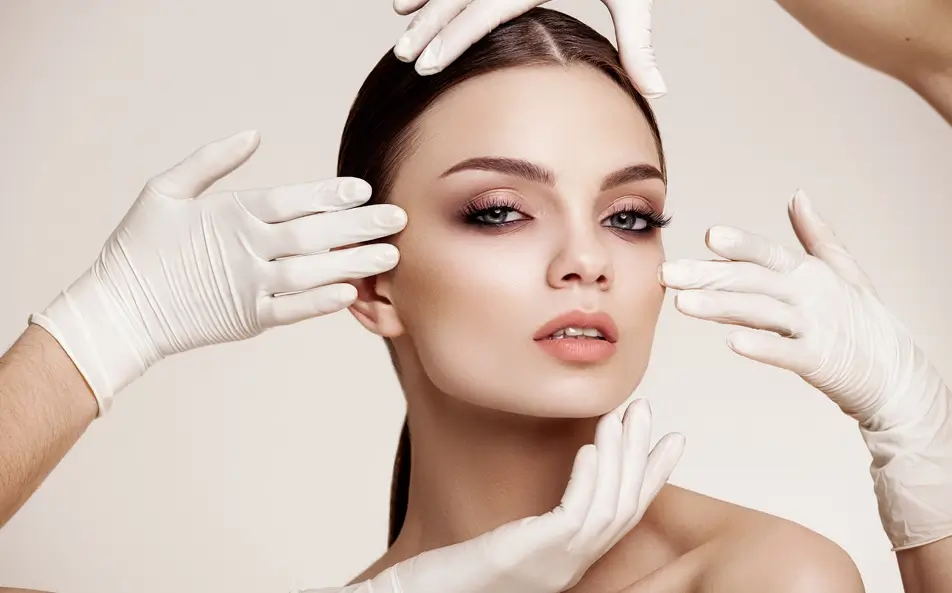
Beauty trends are now driven as much by filters as they are by celebrities. AR beauty filters on platforms like Instagram, TikTok, and Snapchat have become more than just playful effects—they’re shaping how people see themselves and how they define beauty.
Some filters enhance natural features subtly, while others completely transform your appearance. And while this has sparked important conversations about self-image and digital beauty standards, it’s also fueling the rise of “filter-inspired” makeup and even cosmetic procedures.
The beauty industry is responding with products designed to replicate filtered looks in real life: glass-skin serums, blurred-finish foundations, and contour kits that mimic digital enhancements. Whether you love them or loathe them, filters are now an undeniable part of beauty’s future—and brands are evolving accordingly.
The Rise of the Metaverse and Digital Fashion
As we move deeper into the digital world, the concept of self-expression is shifting. The metaverse is offering new arenas for style—ones where physics, gravity, and fabric limitations don’t apply. In this space, you can wear a glowing cape made of stardust or an outfit that morphs in real time with your mood.
Luxury brands are already staking their claims in this space by launching digital collections for gaming platforms and virtual fashion shows. These garments can be bought, sold, and traded as NFTs, adding a new layer of identity and creativity to the world of style.
This evolution isn’t just fun—it has serious implications. Digital fashion allows for sustainable experimentation, democratized access to luxury, and limitless design possibilities. The future of style, quite literally, exists beyond the physical realm.
Table of Contents
- Introduction: The Blurring Lines Between Tech, Beauty, and Fashion
A look at how these industries are merging to create smarter, more personalized experiences. - AI-Powered Skincare Is Taking Over
How artificial intelligence is revolutionizing skin analysis, product recommendations, and custom formulations. - Virtual Try-Ons Are Revolutionizing How We Shop
The impact of augmented reality on makeup and fashion retail, and how it boosts confidence in purchasing decisions. - Smart Fabrics and Tech-Infused Clothing Are Going Mainstream
Wearable tech, responsive fabrics, and clothing that tracks health, emotion, or changes with the environment. - Sustainability Meets Innovation
How smarter technologies are solving long-standing environmental issues in the beauty and fashion industries. - Beauty Devices Are Becoming Smarter—and Smaller
High-tech tools for at-home use that deliver professional-grade results using AI and connectivity. - 3D Printing Is Personalizing Products in Real-Time
From made-to-order foundations to digitally fabricated fashion accessories—mass customization is here. - AI Stylists and Virtual Fashion Consultants Are the New Norm
Intelligent styling platforms that recommend outfits, improve closet organization, and reduce decision fatigue. - Social Media Filters Are Reshaping Beauty Standards
The rise of augmented filters and how they influence real-life products, trends, and beauty ideals. - The Rise of the Metaverse and Digital Fashion
Exploring the growing world of virtual fashion, NFTs, and self-expression in immersive digital spaces.
FAQs About Smart Beauty and Fashion
What is smart beauty?
Smart beauty refers to beauty products, tools, and systems that use technology—like AI, AR, and data analysis—to enhance personalization, performance, and convenience in skincare, makeup, and haircare.
What are smart textiles?
Smart textiles are fabrics embedded with digital components like sensors, LEDs, or conductive threads. They can change color, track biometrics, or react to environmental changes, merging fashion with function.
Is smart fashion sustainable?
Yes, many smart fashion innovations are designed with sustainability in mind. Digital clothing, biodegradable materials, and on-demand 3D printing help reduce waste and environmental impact.
Can I afford smart beauty products?
Smart beauty devices and services are becoming more accessible, with many affordable options now available. Prices vary depending on features and brand, but competition is helping drive costs down.
Are AI stylists better than human ones?
AI stylists can offer fast, data-driven suggestions based on your habits and preferences. While they may not replace the creativity of human stylists, they’re a valuable tool for everyday fashion decisions.
Conclusion: A Smarter, Bolder, More Personalized Future
The future of beauty and style isn’t just smarter—it’s more intuitive, inclusive, and inspiring than ever before. With innovations spanning from intelligent skincare to digital wardrobes, the next era of self-expression is being shaped not just by what we wear or apply, but by how deeply those choices reflect who we are.
Whether you’re experimenting with AR lipstick, wearing a mood-sensing dress, or consulting your AI fashion assistant before a date, one thing’s clear: the age of smart beauty and style is here—and it’s only just beginning.