
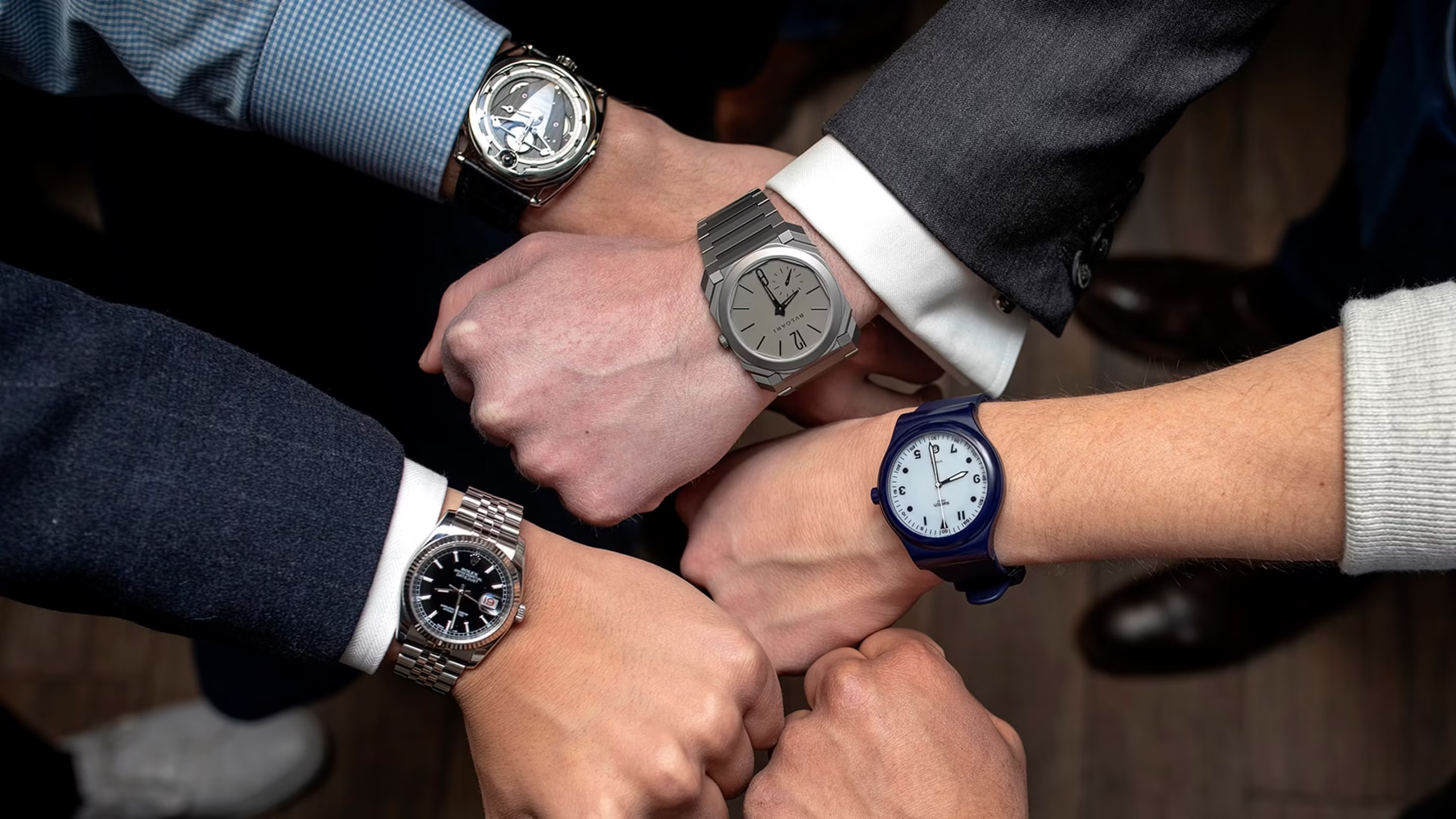
Why Watches Are the One Luxury Item That Actually Get Better With Age
In a world obsessed with the latest and greatest, it’s easy to get caught up in trends—especially when it comes to luxury goods. Fashion comes and goes. Electronics become outdated in a blink. Even luxury cars lose value the moment they leave the dealership.
But there’s one timeless exception to the rule.
Luxury watches.
There’s something almost magical about a well-crafted timepiece. While other high-end items lose their shine over time, watches often become even more desirable the older they get. They don’t just hold their value—they tell stories, mark milestones, and gain character with every tick of the second hand.
Whether you’re a seasoned collector or simply someone who appreciates the elegance of a good watch, there’s no denying this simple truth:
Luxury watches are one of the only items that genuinely get better with age.
There’s something almost magical—dare we say poetic—about a well-crafted timepiece. It’s more than just an accessory or a way to check the time. A luxury watch feels alive in its own way. Every tick of the second hand, every subtle sweep of a finely-tuned movement, feels like a heartbeat—steady, purposeful, and unbothered by the chaos around it.

Unlike many high-end items that fade, break, or become outdated the moment a new model hits the market, a truly great watch only becomes more alluring with time. It develops a story. It wears its journey. The once-polished metal begins to show faint signs of use, the kind of marks that don’t diminish its beauty but instead make it more personal—like laugh lines on a beloved face. The leather strap softens. The dial may change hue slightly, kissed by the sun or worn in by the years. These aren’t flaws; they’re part of its charm.
Watches don’t just hold their value—they hold moments. They celebrate promotions, anniversaries, graduations, or the birth of a child. They’re worn during life’s biggest highs and quietest, most reflective lows. They’re the kind of thing you remember wearing on a first date, or on the day you made a huge life decision. And as years pass, those watches become more than objects—they become personal artifacts, emotional mile-markers that quietly keep track of our time on this earth.
Whether you’re a lifelong collector who’s chased vintage grails and auction house finds, or someone who simply appreciates the timeless elegance of a beautifully designed piece, the truth is undeniable:
Watches don’t age—they evolve. And in that evolution, they become more valuable, more meaningful, and somehow, even more beautiful.
The Enduring Appeal of a Timeless Timepiece

A luxury watch isn’t just an accessory—it’s a legacy. It’s a wearable piece of engineering, artistry, and history all in one.
Unlike most other items you can wear on your wrist, a watch isn’t purely about function anymore (your phone has that covered). It’s about craftsmanship, tradition, and a quiet kind of status that doesn’t need to scream.
Here’s why watches only get more valuable—and meaningful—with time:
- They’re crafted to last generations
- They carry stories and sentimental value
- Many increase in monetary value
- They age beautifully, gaining character with every scratch and patina
- Vintage models often become collector’s pieces
- They’re timeless, beyond trends and fads
- Mechanical movements can last centuries with proper care
- They connect generations—heirlooms in motion
Craftsmanship That Withstands Time
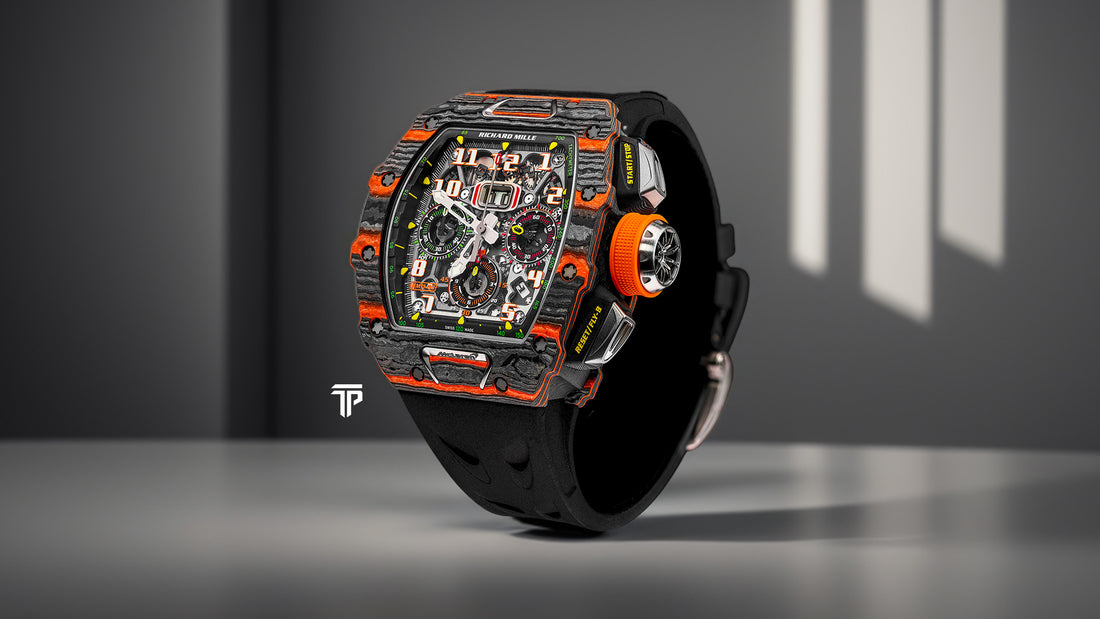
One of the biggest reasons luxury watches age so well is simple: they’re made to last.
The best watchmakers spend months (sometimes years) perfecting each model, with obsessive attention to detail. We’re talking about hand-assembled movements, microscopic tolerances, and high-end materials like sapphire crystal, gold, titanium, or ceramic.
Brands like Rolex, Patek Philippe, Omega, and Audemars Piguet are known for:
- Incredible build quality
- Water resistance and shock durability
- High-grade, corrosion-resistant metals
- Innovative complications and functions
- Movements that can be serviced for decades (or longer)
These aren’t disposable pieces. They’re built with the intention of outliving you.
How Time Adds Character—Not Flaws
When most things age, they lose their polish—literally and metaphorically. But with watches, aging often adds beauty. It’s what collectors call “patina”—that subtle change in the dial, hands, lume, or case that only happens over decades.
Common age-related features that are actually prized:
- Faded dials (called “tropical dials”)
- Lume discoloration (creating a warm, vintage look)
- Micro scratches that tell a story
- Leather straps that mold to the wearer
- Original components that show authentic wear
Instead of diminishing the watch, these changes enhance its uniqueness. No two vintage watches are exactly alike. And that individuality? It’s priceless.
The Investment Potential: Better Than Some Stocks
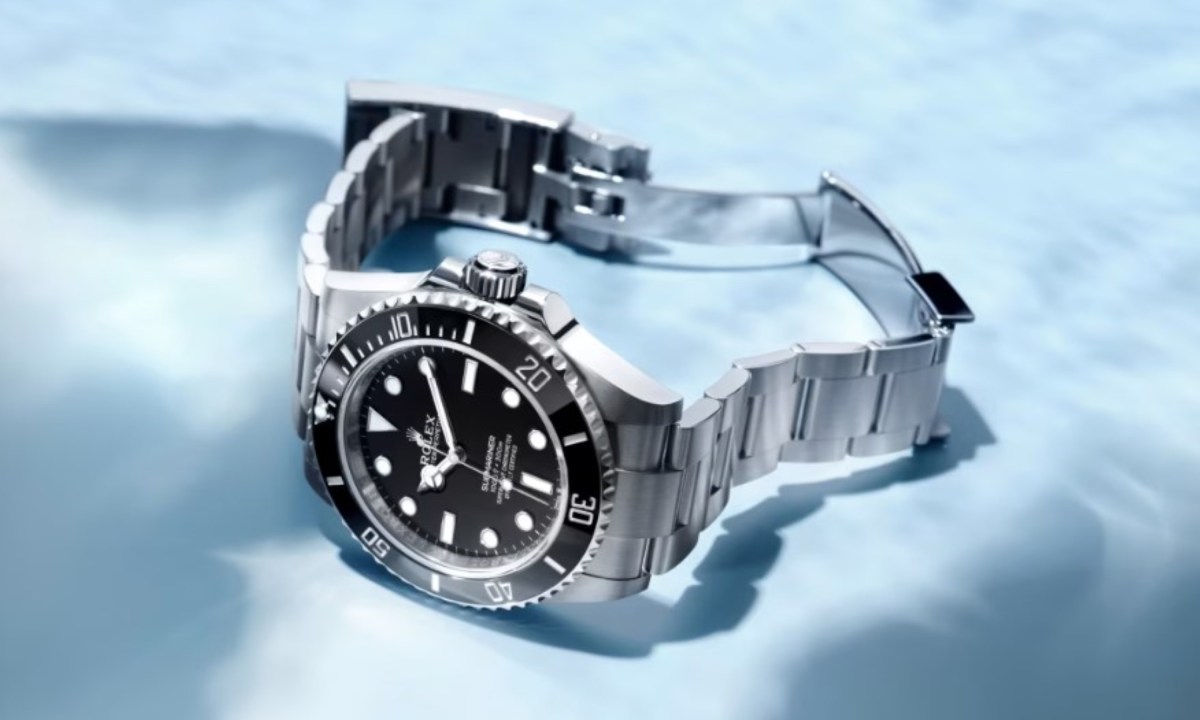
Let’s talk money.
Unlike most luxury goods, some watches actually increase in value over time. Of course, not every watch will appreciate—but certain models from brands like Rolex, Patek Philippe, Audemars Piguet, and vintage Omega often do.
Why do some watches become more valuable?
- Limited editions and discontinued models become rare
- Historical significance adds collector appeal
- High demand meets low supply in the vintage market
- Pristine condition or full set (box and papers) increases worth
For example, a Rolex Daytona or a Patek Nautilus purchased 20 years ago may now be worth 5–10x its original price—if not more.
Watches aren’t just luxury—they can be legacy investments.
Emotional Value That Money Can’t Measure
Let’s be honest—watches are about more than dollars and dials. They’re deeply personal.
That engraved caseback. The watch you wore on your wedding day. The timepiece passed down from your grandfather. These aren’t just objects; they’re memory markers.
Watches represent:
- Major milestones (birthdays, anniversaries, graduations)
- Hard-earned achievements
- Family history
- Personal style and taste
- Consistency in an ever-changing world
A luxury watch isn’t just about telling the time. It’s about honoring it.
Vintage Watches: A Collector’s Dream

If you’re into fashion or design, you already know—vintage is in. And in the watch world, vintage timepieces are more than just nostalgic—they’re coveted.
What makes vintage watches so special?
- Discontinued styles and movements
- Unique design language from past eras
- Scarcity adds value and mystique
- No two age exactly the same
- They often reflect the spirit of their time
From the 60s dive watch to the 80s integrated bracelet sports model, vintage watches offer a window into another time. And wearing one feels like being part of that story.
Mechanical Movements: Engineering That Ages Like Wine
Smartwatches? Cool. But they’ll be outdated within a couple of years.
Mechanical watches? They can tick for generations.
These watches are powered by gears, springs, and pure mechanical ingenuity—no batteries, no screens. And with regular servicing, many mechanical movements can function for over 100 years.
Why mechanical watches are built to endure:
- Fully serviceable
- Designed with longevity in mind
- Hundreds of replaceable components
- Often crafted by hand
- Self-winding options that recharge with movement
Owning a mechanical watch is like carrying a mini engine on your wrist—and the more time passes, the more you appreciate the craftsmanship.
Table of Contents
FAQs: Everything You’ve Wondered About Aging Watches
Do watches really increase in value over time?
Yes—but only certain models. Limited editions, iconic styles, and high-demand brands like Rolex, Patek Philippe, and Audemars Piguet tend to appreciate, especially if kept in good condition.
Is vintage always better than new?
Not always. Vintage watches offer unique character and history, but new watches come with modern materials and warranties. It depends on personal preference and purpose.
How often should I service a mechanical watch?
Every 3–7 years is standard, depending on the brand and use. Regular servicing helps extend the life of the movement and ensures accurate timekeeping.
Do scratches lower the value?
Light, natural wear can add to a watch’s charm, especially on vintage models. However, deep scratches or damaged components may affect resale value.
What’s better: automatic or manual watches?
It depends! Automatic watches wind themselves with movement, while manual ones need winding. Both can be high-quality—choose based on your lifestyle and preference.
Are quartz watches worth collecting?
Some are! High-end quartz watches (like the Omega Constellation or Grand Seiko) have loyal followings. But mechanical watches usually dominate the collector world.
Final Thoughts: A Gift of Time, A Lifetime of Meaning
In a fast-paced, disposable world, luxury watches are a powerful exception. They slow things down. They tell stories. And they endure.
Whether you’re buying your first watch, handing one down to your child, or investing in a timeless piece for your collection, there’s beauty in knowing that it will only become more special over time.
Luxury watches aren’t just about what they do—they’re about what they represent.
They represent care, tradition, quality, and meaning. They prove that not everything needs to be replaced to stay relevant. Some things—like a truly great watch—just get better with age.